



Progress in education and life often unfolds through conversation rather than instruction alone. Many individuals advance through discipline and persistence, yet those who receive steady guidance frequently develop clearer judgment, deeper confidence, and stronger self-awareness. Mentorship continues to stand as one of the most reliable influences on long-term development across academic and professional settings.
At Grace Christian University, faculty and staff approach mentorship as a central responsibility tied directly to teaching. Their investment extends well past syllabi and assignments into one-on-one conversations, reflective feedback, and steady encouragement during moments of decision. This emphasis reflects a belief that growth takes root most firmly when students feel supported by educators who understand both their aspirations and their uncertainties.
Mentorship Thrives When Students Take the Lead
Mentoring relationships tend to flourish when students accept responsibility for engagement. According to the National Institutes of Health, mentoring produces stronger outcomes when mentees participate actively through reflection, dialogue, and follow-up rather than waiting for instruction to arrive.
Grace faculty observe this dynamic consistently. Students who arrive with intention often leave with insight that continues to shape their thinking after the conversation ends. Professors encourage students to articulate goals clearly, revisit previous discussions with updates, and ask questions that reveal curiosity.
Dr. Mat Loverin, has spoken openly about this relational posture. “I always felt that the connections I had with students in the classroom were the gateway to a deeper relationship of mentoring and eventually a real sense of shared partnership,” he said. “It is a massive honor to be invited into some of the most meaningful moments of students’ lives.”
Mentorship conversations gain clarity when participants arrive prepared. LinkedIn Learning identifies preparation as one of the strongest predictors of productive mentoring interactions. Individuals who outline priorities and questions before meeting with a mentor consistently report clearer outcomes and greater progress.
This preparation shifts discussion from general updates toward thoughtful examination of decisions, ideas, and direction.
Professors frequently note that prepared conversations show mutual respect. Time feels well used, and guidance becomes more specific. Students often leave with clarity that informs their next steps rather than encouragement that fades quickly.
Consistent Conversation Strengthens Development
Mentorship deepens through repeated engagement. Findings on mentoring strategies emphasize that growth accelerates when conversations build on one another instead of standing alone.
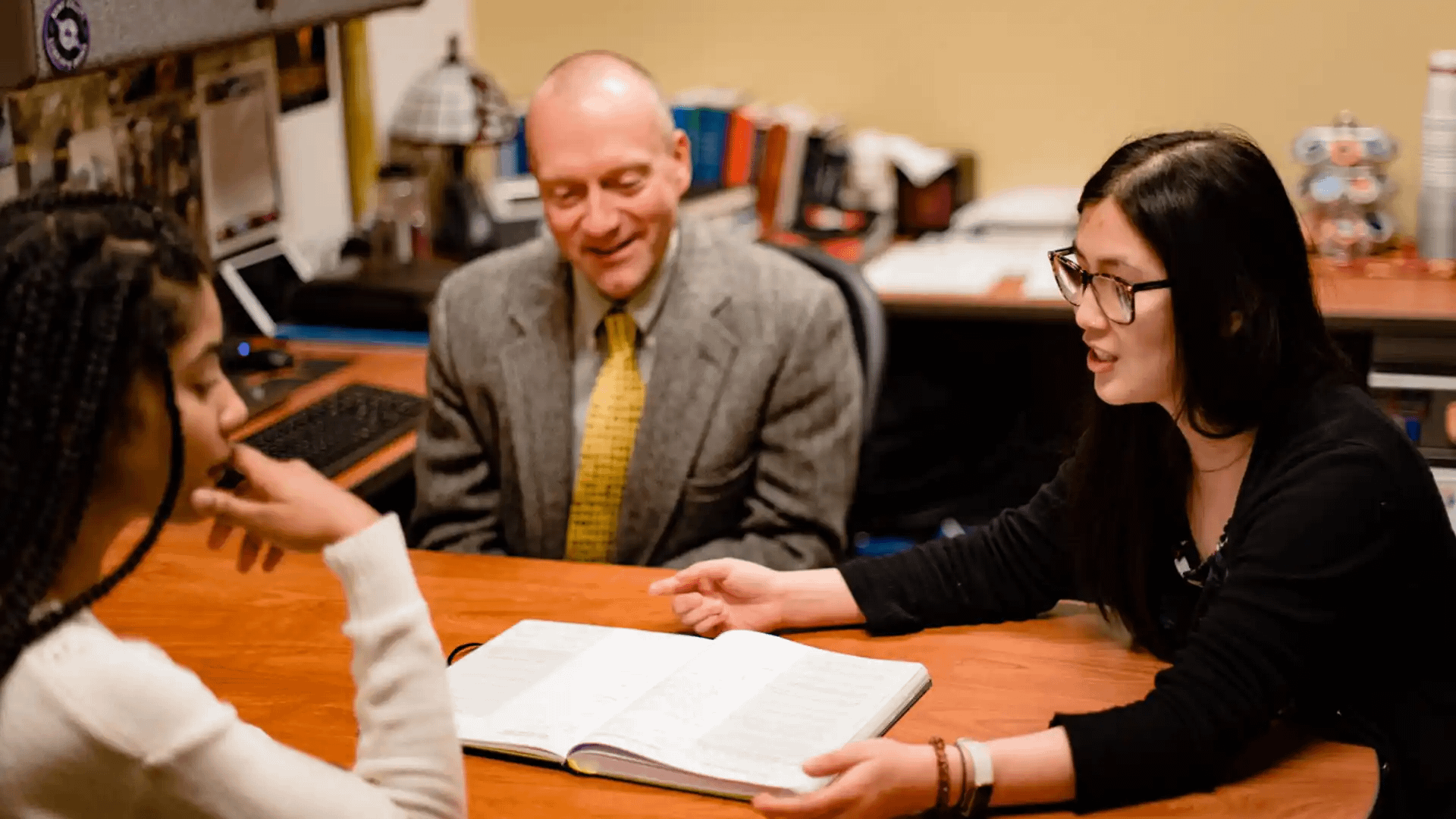
Professors routinely reference earlier conversations, ask about progress, and invite students to reflect on outcomes.
Students who engage consistently often develop habits of reflection. Thoughtful evaluation becomes part of how they approach decisions, challenges, and opportunities.
Trust Enables Insight
Mentoring relationships reach depth when students sense genuine care from those offering guidance. Trust grows through consistency, attentiveness, and follow-through. Relational stability has been consistently linked to increased confidence and engagement.
Small details often carry weight. Remembering earlier concerns matters. Asking about progress signals investment. Returning to previous topics shows attentiveness rather than obligation.
Kyle Bohl, Associate Vice President of Student Affairs, emphasizes this relational dimension frequently. “Students don’t remember every piece of advice,” he says. “They remember who listened carefully and showed up consistently.” His insight reflects a broader truth: presence often communicates value more clearly than instruction alone.
Faculty Mentorship Across the Grace Community
Mentorship at Grace extends across disciplines and roles. Faculty members, advisors, coaches, and staff each contribute to a culture where students are known personally. This environment encourages conversation across academic, spiritual, and personal life.
Grace’s campus culture reinforces availability. Office doors remain open. Conversations continue after class. Email exchanges evolve into mentorship.
Students frequently describe faculty as approachable and invested. That perception shapes willingness to ask questions, seek feedback, and engage difficult topics without fear of dismissal.
Mentoring relationships create lasting influence as experienced individuals guide others who later extend that guidance themselves. This perspective affirms what Grace faculty observe firsthand. Mentorship contributes not only to immediate academic success but also to long-term development of judgment, responsibility, and leadership capacity.
Across higher education, sustained mentoring has been consistently linked with improved engagement, stronger persistence, and clearer decision-making. Students supported through guidance tend to approach future challenges with greater confidence and adaptability.
Confidence Emerges Through Sustained Dialogue
Mentorship contributes to confidence by helping students clarify thinking and evaluate assumptions. Individuals involved in ongoing mentoring relationships demonstrate improved decision-making and stronger self-understanding.
Dr. Loverin describes mentoring as helping students “learn to hold ideas carefully while remaining open to correction.” That posture fosters humility alongside conviction, allowing students to grow without retreating from thoughtful engagement.
Clear Communication Sustains Partnership
Mentorship relationships benefit from clear expectations. Evidence across mentoring programs points to clarity around communication, availability, and goals as key to strengthening commitment while reducing misunderstanding.

Grace advisors and professors encourage early conversations about how mentorship will function. Students gain confidence when they understand how guidance will be offered and evaluated.Faculty benefit as well. Understanding student expectations allows mentors to tailor support more effectively while respecting boundaries.
Mentoring moments often emerge outside scheduled meetings. Brief conversations between classes, thoughtful emails, or informal check-ins frequently leave lasting impressions. These interactions reinforce accessibility and responsiveness within the Grace community.
Kyle Bohl often notes that students who remain engaged across campus life encounter more opportunities for guidance. Availability creates connection. Connection fosters insight.
Such moments reinforce lessons discussed elsewhere while modeling attentiveness through action rather than instruction.
Mentorship for a Lifetime of Contribution
Guidance does not conclude at graduation. When students gain clarity around thinking patterns, values, and decision-making habits, they carry those lessons into future workplaces and communities.
Institutions such as Grace affirm what educators have long observed: mentorship supports both immediate achievement and long-term capacity for leadership and responsibility.
Professors, advisors, and staff commit time, care, and experience with the goal of helping learners move forward with thoughtful confidence.
This investment continues to influence how graduates engage their work, relationships, and communities in ways that reflect sustained growth and discernment.