


If you’re drawn to upholding justice, protecting communities, and making a real difference in society, a criminal justice degree could be the foundation for a deeply fulfilling career. This field of study prepares dedicated individuals to serve in critical roles across law enforcement, corrections, the court system, victim advocacy, and countless other areas where justice and public safety intersect. From walking the beat as a police officer to counseling those reentering society after incarceration, from investigating crimes to supporting victims through their darkest hours, a criminal justice degree opens doors to careers that genuinely matter.
Understanding the Criminal Justice Field
The criminal justice system is the network of government agencies and institutions that work together to identify, apprehend, prosecute, and rehabilitate those who commit crimes. This system has three primary components: law enforcement, the courts, and corrections. Each plays a distinct but interconnected role in maintaining public safety and ensuring that justice is served fairly and ethically.
Law enforcement officers are often the first responders to criminal activity, investigating crimes and maintaining order in communities. The courts determine guilt or innocence and hand down sentences based on the law and evidence presented. Corrections professionals manage the incarceration and rehabilitation of those convicted of crimes, working to reduce recidivism and help individuals become productive members of society again.
A criminal justice degree provides comprehensive knowledge of all three components, along with critical skills in ethics, communication, research, criminology, and constitutional law. This well-rounded education prepares graduates to work effectively in any sector of the system and to understand how their role fits into the larger picture of justice and public safety.
Police Officers and Municipal Law Enforcement
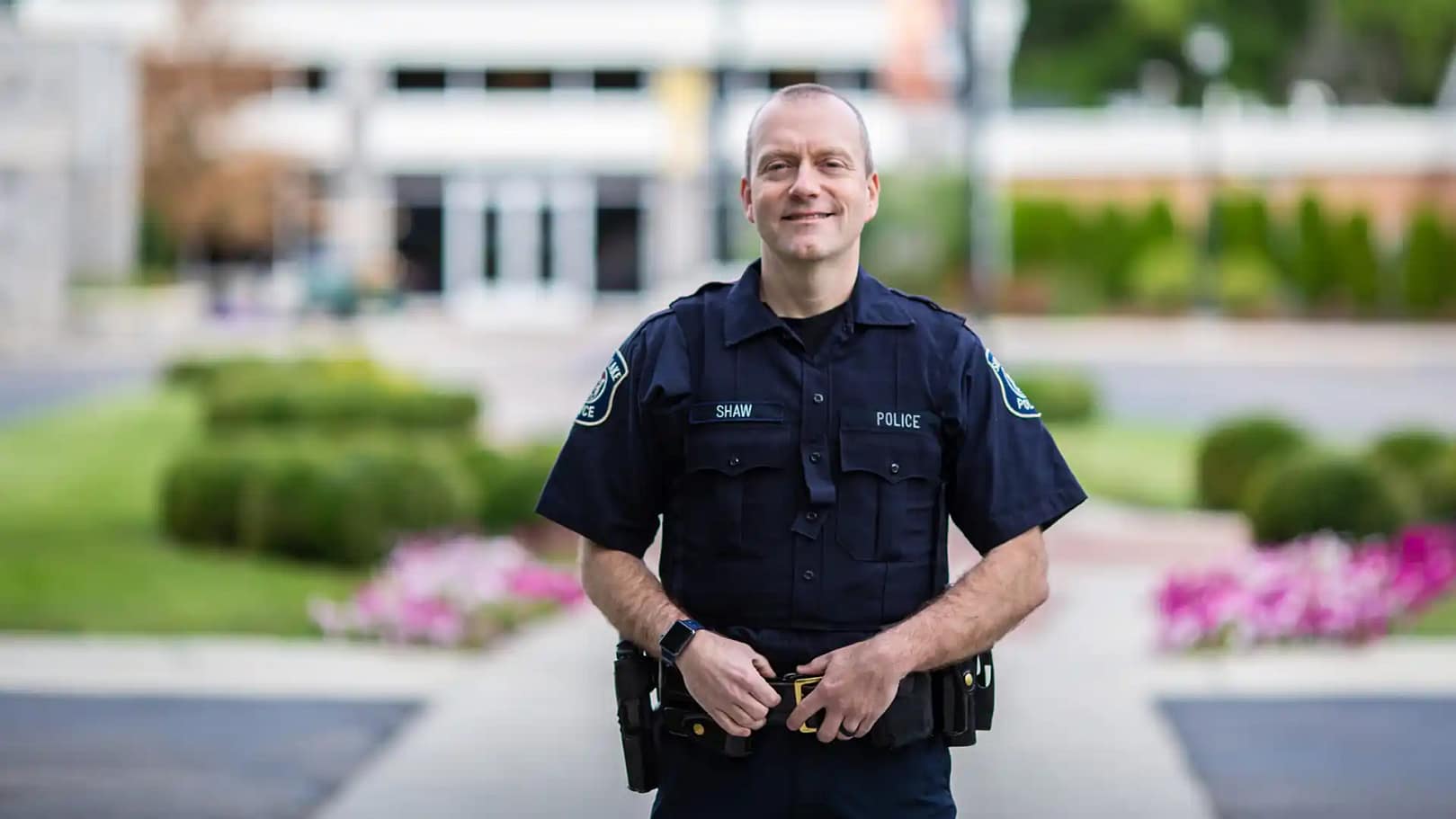
Law enforcement careers are what many people first think of when they consider criminal justice. These professionals work on the front lines of public safety, responding to emergencies, investigating crimes, and building relationships within their communities.
Police officers patrol neighborhoods, respond to calls for service, investigate crimes, make arrests, and write detailed reports. They work for municipal police departments, serving as the primary law enforcement presence in cities and towns. The role requires physical fitness, quick decision-making abilities, and the emotional resilience to handle stressful and sometimes dangerous situations.
State and Federal Law Enforcement
State troopers enforce driving and safety laws on highways and state roads. They monitor traffic, issue citations, assist with accidents, and investigate crimes that occur on state property or across jurisdictional lines. Many state troopers also serve specialized functions like investigating drug trafficking or providing security for state officials.
Deputy sheriffs work at the county level, performing many of the same duties as police officers but also serving court documents, providing courthouse security, and managing county jails. In rural areas, deputy sheriffs may be the primary law enforcement presence for entire communities.
Federal law enforcement offers exciting opportunities with agencies like the FBI, DEA, ATF, Secret Service, and U.S. Marshals Service. These positions typically require a bachelor’s degree and often additional specialized training. Federal agents investigate crimes that cross state lines, threaten national security, or involve federal laws. The work can involve everything from cybercrime investigations to protecting federal officials to tracking down fugitives.
Customs and Border Protection agents secure the nation’s borders at ports of entry across the country. They conduct inspections, enforce immigration and customs laws, investigate smuggling operations, and work to prevent illegal entry of people, drugs, and contraband.
Correctional Officers and Facility Management
The corrections field focuses on managing incarcerated populations and helping individuals successfully reintegrate into society. These careers require patience, strong interpersonal skills, and a commitment to rehabilitation over punishment alone.
Correctional officers work in jails and prisons, maintaining order and safety within facilities. They supervise inmates, enforce institutional rules, prevent disturbances, monitor activities, and respond to emergencies. The work can be challenging but offers stability and opportunities for advancement into supervisory roles.
Probation and Parole Services
Probation officers supervise individuals who have been sentenced to probation instead of incarceration. They assess risk levels, monitor compliance with probation terms, provide support and resources, report violations to the court, and work to help probationers avoid future criminal behavior. This role combines elements of law enforcement with social work, as officers must balance accountability with helping people change their lives.
Parole officers work with inmates who have been released from prison before completing their full sentences. They help parolees find housing and employment, monitor their progress and compliance with parole conditions, conduct drug testing, and provide referrals to counseling and treatment programs. The goal is to help formerly incarcerated individuals successfully reenter society while protecting public safety.
Youth correctional counselors focus specifically on young people in the justice system. They work in juvenile detention facilities, providing structure, education, counseling, and mentorship to help troubled youth get back on track. Early intervention with young offenders can dramatically change life trajectories, making this particularly impactful work.
Correctional Counseling and Rehabilitation
Correctional counselors evaluate the progress of inmates, develop treatment and rehabilitation plans, facilitate therapy groups, and prepare recommendations for parole boards. They address issues like substance abuse, anger management, and job readiness that contribute to criminal behavior.
These professionals work in prisons, jails, and community corrections programs to help individuals develop the skills and mindset needed to avoid reoffending. They conduct assessments, create individualized treatment plans, connect clients with resources, and monitor progress. The work requires patience, empathy, and the ability to maintain professional boundaries while building trust with people who have made serious mistakes.
Court Services and Legal Support
The judicial system depends on numerous professionals beyond judges and attorneys to function effectively. These roles support the administration of justice and ensure courts operate smoothly.
Court services officers manage caseloads, support court operations, and assist individuals navigating the legal process. They work in courthouses, jails, and probation offices, serving as liaisons between different parts of the justice system.
Bailiffs maintain order and security in courtrooms. They escort defendants, manage jury members, announce the judge’s entrance, and respond to any disturbances. This role requires vigilance and the ability to remain calm under pressure.
Victim Advocacy and Support Services
Victim advocates provide critical support to crime victims as they navigate the criminal justice process. They offer emotional support, explain rights and procedures, help victims access resources like counseling or financial assistance, and accompany them to court proceedings. Many advocates are drawn to this work because they have personal experience with victimization and want to help others through similar experiences.
Domestic violence advocates specifically support survivors of intimate partner violence. They provide crisis intervention, help with protective orders, assist with safety planning and relocation when necessary, and connect survivors with counseling and other resources.
Child advocacy center staff work with children who have experienced abuse or witnessed violence. They conduct forensic interviews, coordinate with law enforcement and child protective services, and connect families with therapy and support services.
Victim services specialists ensure that crime victims receive support, resources, and advocacy throughout the legal process. They provide trauma-informed care, help with safety planning, assist with victim compensation claims, and advocate for victims’ rights. These professionals work in law enforcement agencies, prosecutor’s offices, hospitals, nonprofit organizations, and courts.
Detectives and Criminal Investigation
For those fascinated by solving crimes through evidence and analysis, investigative careers offer intellectual challenges and the satisfaction of bringing closure to cases.
Detectives and criminal investigators dig deeper into crimes, gathering and analyzing evidence, interviewing witnesses and suspects, following leads, and building cases for prosecution. While some detectives are generalists, others specialize in areas like homicide, narcotics, fraud, or cybercrime.
Crime scene investigators document and collect evidence at crime scenes, ensuring that physical evidence is properly preserved for analysis and admissible in court. Their meticulous work can make or break a case.
Forensic Science and Analysis
Forensic specialists apply scientific methods to criminal investigations. They collect and analyze physical evidence from crime scenes, perform laboratory tests on biological samples or trace evidence, and testify in court about their findings. Some forensic specialists focus on specific areas like DNA analysis, ballistics, or forensic psychology.
Fire investigators determine the causes of fires, identify cases of arson, and work closely with law enforcement when criminal activity is suspected. They analyze burn patterns, interview witnesses, and use their knowledge of fire behavior to piece together what happened.
Private Investigation
Private investigators work independently or for investigative firms, conducting research and surveillance for private clients, attorneys, businesses, or insurance companies. They investigate everything from suspected fraud to missing persons to corporate misconduct.
This career offers independence and variety, as cases can range from locating witnesses for legal proceedings to conducting background checks to investigating insurance claims. Private investigators must be licensed in most states and often have backgrounds in law enforcement or military service.
Specialized Criminal Justice Roles
Criminal justice encompasses numerous specialized positions that address specific aspects of public safety and justice.
Substance abuse counselors in the criminal justice system work in prisons, jails, probation departments, and treatment courts to help individuals overcome addiction. They conduct assessments, provide individual and group counseling, develop treatment plans, and coordinate with the justice system to support recovery while meeting legal requirements.
Fraud investigators examine cases of financial crimes, including insurance fraud, credit card fraud, identity theft, and embezzlement. They work for insurance companies, financial institutions, government agencies, and law enforcement, analyzing patterns, documenting cases, and collaborating with prosecutors.
Intelligence and Security Analysis
Intelligence analysts monitor and analyze data to identify security threats and develop strategies to mitigate risks. They work for law enforcement agencies, government intelligence services, the military, and private security firms, creating reports with security recommendations based on their analysis.
Security directors and managers oversee security operations for businesses, government facilities, schools, hospitals, and other organizations. They develop security policies, manage security staff, conduct risk assessments, and coordinate with law enforcement when incidents occur.
Narcotics officers investigate drug trafficking, distribution, and possession. They conduct surveillance, work undercover, coordinate with K-9 units, execute search warrants, and build cases against drug organizations. This specialized work often involves coordination across multiple agencies and jurisdictions.
Skills You’ll Develop in Criminal Justice Programs

Criminal justice degree programs cultivate essential skills that serve graduates well across all these career paths. You’ll develop strong critical thinking and analytical abilities as you learn to assess complex situations, identify patterns, and solve problems. Communication skills become second nature as you practice writing clear reports, giving testimony, interviewing witnesses and suspects, and explaining procedures to people in crisis.
Ethics training is central to criminal justice education. You’ll examine constitutional rights, legal procedures, and the moral complexities of justice work. Understanding how to balance public safety with individual rights, maintain integrity under pressure, and make fair decisions even when facing difficult circumstances becomes part of your professional foundation.
Research and data analysis skills help you understand crime trends, evaluate programs, and make evidence-based decisions. You’ll learn to interpret statistics, assess research validity, and present findings clearly.
Building Cultural Competence and Resilience
Cultural competence is increasingly important in criminal justice. You’ll study how race, class, culture, and other factors influence interactions with the justice system and learn strategies for fair, equitable treatment of all individuals.
Physical and emotional resilience develop as you prepare for the demands of justice work. Many criminal justice careers involve stress, irregular hours, and exposure to trauma. Learning stress management, maintaining work-life balance, and recognizing signs of burnout help ensure a sustainable career.
The Growing Demand for Criminal Justice Professionals
Employment in criminal justice continues to offer stability and growth. While some areas see steady demand, others are experiencing significant expansion. According to the Bureau of Labor Statistics, protective service occupations that include many criminal justice roles are expected to see continued growth through 2033.
Several factors drive this demand. An aging law enforcement workforce means many experienced officers and investigators will retire in coming years, creating openings for new professionals. Growing awareness of victims’ rights has increased demand for victim advocates and services specialists. Recognition that substance abuse and mental health issues require treatment rather than incarceration alone has expanded opportunities in correctional counseling and rehabilitation services.
Cybercrime continues to grow exponentially, creating demand for investigators with technical expertise. Intelligence analysis has become increasingly important for preventing terrorism and other security threats. Private security services are expanding as businesses and institutions invest in safety and risk management.
Communities are also reconsidering approaches to public safety, creating new roles that combine law enforcement with social services, mental health support, and community engagement. This evolution in criminal justice creates opportunities for professionals who can work across traditional boundaries.
Preparing Servant Leaders in Criminal Justice
At Grace Christian University, the Bachelor of Science in Criminal Justice provides comprehensive preparation for these diverse career paths while grounding that education in a Christian worldview. The 120-credit program equips students to understand and navigate the complexities of the criminal justice system with both professional competence and a scriptural foundation.
The curriculum gives students a thorough overview of law enforcement, the courts, and corrections while emphasizing the unique challenges and opportunities that criminal justice presents to Christians. Students explore criminal justice history and procedures, criminology, constitutional law, research methods, and ethics, all examined through the lens of biblical truth.
What sets Grace’s program apart is the commitment to hands-on learning. Students don’t simply read about criminal justice; they engage with it through simulations, case studies, and practical exercises. Faculty members bring real-world experience into the classroom, offering insights gained from years of professional practice. Dr. Greydanus, for example, spent nearly 30 years as a Michigan State Trooper before joining Grace’s faculty, bringing invaluable perspective to his teaching.
We asked Dr. Greydanus, What difference does a Christian’s faith make when working in the criminal justice field? He answered, “You’ve got a basis here. No matter what happens, you see the individuals as created in the image of God. They have to be respected and treated professionally. You also see a purpose in what you’re doing, not only to help them, but also to help the victims.”
Career Success and Flexible Learning Options
The program prepares students for careers as law enforcement officers, probation or correctional officers, victim advocates, counselors, court administrators, and numerous other roles. Grace alumni have been selected for competitive positions like victim advocacy at domestic violence courts and youth counseling at juvenile facilities. The program’s biblical foundation helps students integrate their faith into their professional lives, serving as ambassadors for Christ in a field that desperately needs people of integrity and compassion.
Grace understands that students have different needs and circumstances. That’s why the criminal justice program is available both on campus and completely online. The online format allows working professionals and those with family obligations to pursue their degree without sacrificing quality. Students complete courses in five-week terms, maintaining steady progress while balancing other responsibilities. Online students receive the same excellent instruction and support as those on campus, with accessible professors who care deeply about each student’s success.
Ready to pursue your calling in criminal justice? Grace Christian University offers flexible options to fit your life. Study on campus and immerse yourself in a vibrant community of faith and learning, or earn your degree online with the same quality education and personalized support. Whichever path you choose, you’ll be equipped with the knowledge, skills, and spiritual foundation to serve courageously in the field of criminal justice, upholding justice, protecting communities, and reflecting Christ’s love in a system that needs people of character and conviction.
Earn a Criminal Justice Degree at Grace