



If you’ve ever felt a calling to make a tangible difference in people’s lives, a degree in human services might be the perfect foundation for your career. This versatile field of study prepares compassionate individuals to serve others across a remarkable range of settings, from government agencies and healthcare facilities to nonprofit organizations and community programs. Are you passionate about helping children, supporting families in crisis, working with the elderly, or advocating for those facing substance abuse challenges? A human services degree equips you with the knowledge and skills to turn that passion into a meaningful profession.
Understanding the Human Services Field
At its core, human services is about meeting people where they are and connecting them with the resources, support, and advocacy they need to improve their quality of life. This broad field encompasses numerous disciplines and practices aimed at addressing the social, emotional, physical, and economic challenges that individuals and communities face every day.
Human services professionals wear many hats. They might spend their morning advocating for policy changes that protect vulnerable populations, their afternoon providing direct support to a client in crisis, and their evening coordinating with various agencies to ensure someone receives the services they desperately need. Built on a foundation of empathy, ethics, social justice, and cultural competence, the field attracts those who want to be part of the solution to society’s most pressing challenges.
The beauty of a human services degree lies in its versatility. Unlike programs with a narrow focus, human services education provides a comprehensive understanding of human behavior, social systems, research methods, ethics, and practical intervention strategies. This well-rounded preparation means graduates can pursue diverse career paths and adapt as their interests evolve throughout their professional lives.
Career Paths in Human Services
Community Services and Social Advocacy
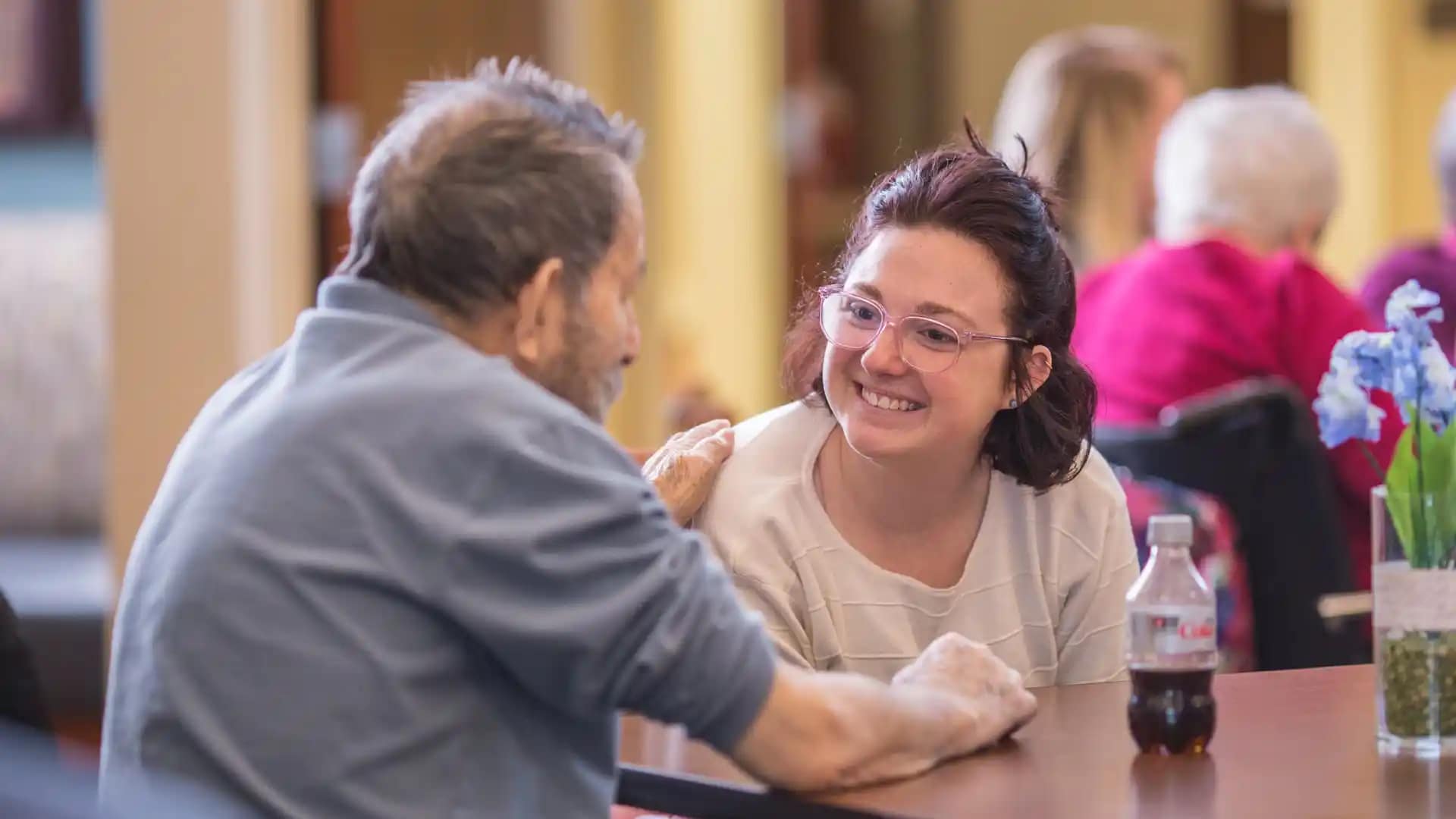
Community service roles offer the opportunity to serve as a bridge between government resources and the people who need them. As a community advocate or outreach coordinator, you might help individuals navigate the complex web of social services, determine eligibility for state and federally-funded programs like welfare or Medicaid, or assist people in finding employment opportunities.
Social and community service managers oversee programs designed to improve community well-being. They coordinate activities, manage staff, develop budgets, and ensure their organizations are meeting the needs of the populations they serve. These leadership positions require both a heart for service and strong organizational capabilities, making them ideal for human services graduates who want to maximize their impact by guiding entire programs.
Community health workers serve as vital liaisons between high-risk communities and the organizations working to help them. They perform essential outreach work, educate community members about available resources, and advocate for those who might struggle to access housing, food assistance, healthcare, or other critical services on their own.
Child and Family Services
For those drawn to protecting and supporting children, numerous career opportunities exist within child and family services. Child welfare advocates keep children’s best interests at the forefront, working to protect their rights and ensure their safety. These professionals may collaborate with parents, schools, social service agencies, and the court system to create environments where children can thrive.
Family court liaisons and advocates play a crucial role in custody disputes and family legal matters. They gather information, conduct assessments, write detailed reports, and make recommendations to judges, all with the ultimate goal of determining what arrangement will best serve a child’s welfare. This work requires both compassion and the ability to remain objective in emotionally charged situations.
Child adoption specialists work to find permanent, loving homes for children in need of placement. They serve as intermediaries between adoptive parents, birth parents, government agencies, and the children themselves, navigating complex emotional terrain and legal requirements to create new families.
Healthcare and Gerontology
The healthcare sector offers numerous opportunities for human services professionals who want to improve people’s physical and mental well-being. Home health aides, group home workers, and geriatric care managers all provide essential services that help individuals maintain their health and dignity.
As the population ages, the demand for professionals specializing in gerontology continues to grow. Human services graduates with a focus on aging populations can work in retirement communities, adult daycare facilities, or as case managers specifically representing elderly clients. These roles involve helping seniors access appropriate medical care, navigate Medicare and insurance systems, connect with social programs, and maintain their independence for as long as possible.
Case managers in healthcare settings ensure that at-risk individuals receive coordinated, comprehensive care. They partner with medical professionals, social service organizations, insurance companies, and patients to create treatment plans, monitor progress, and remove barriers to care. This role requires excellent organizational skills, attention to detail, and the ability to advocate effectively within complex healthcare systems.
Mental Health and Substance Abuse Services
One of the fastest-growing sectors within human services is mental health and wellness. As society increasingly recognizes mental health conditions as deserving the same attention and treatment as physical illnesses, the demand for qualified professionals continues to rise.
Substance abuse counselors work in rehabilitation centers, hospitals, clinics, and community programs to help clients overcome addiction and build healthier lives. They conduct assessments, facilitate individual and group therapy sessions, educate clients and families about addiction, develop treatment plans, and provide ongoing support during recovery. This deeply rewarding work requires patience, empathy, and a non-judgmental approach, as clients often struggle with shame and repeated setbacks on their path to sobriety.
Behavioral health therapists and mental health aides work with individuals experiencing depression, anxiety, trauma, and other mental health challenges. While some roles in this sector require additional graduate education and licensing, a human services degree provides an excellent foundation and entry point into the field.
Crisis intervention counselors serve those experiencing acute mental health emergencies, helping them navigate immediate crises and connecting them with longer-term support services. Psychological aides support licensed psychologists and psychiatrists by assisting with patient care, maintaining treatment records, and helping implement therapeutic programs.
Criminal Justice and Rehabilitation
The intersection of human services and criminal justice offers opportunities to work with individuals involved in the legal system, focusing on rehabilitation rather than punishment alone. Probation officers monitor individuals serving probationary sentences, ensuring they comply with court-ordered conditions while also connecting them with services that address underlying issues like substance abuse, unemployment, or mental health problems.
Juvenile detention workers and juvenile court liaisons specifically focus on young people who have encountered the justice system. These professionals understand that early intervention can change the trajectory of a young person’s life, and they work to provide structure, support, and access to resources that address the root causes of delinquent behavior.
Case workers within correctional facilities help incarcerated individuals prepare for successful reentry into society by connecting them with educational programs, job training, mental health services, and family reunification resources.
Nonprofit Sector

Nonprofit organizations are often at the heart of human services work, providing vital programs and services to communities. These organizations frequently offer diverse responsibilities that allow professionals to wear multiple hats and gain broad experience.
Grant writers in the nonprofit sector play a crucial supporting role by crafting compelling funding proposals that ensure organizations can continue their important work. They research potential funding sources, write persuasive narratives, compile supporting data, and manage the application process.
Program coordinators and group activities leaders design and implement the direct services that nonprofits provide. You might coordinate after-school programs for at-risk youth, lead support groups for individuals facing similar challenges, or develop life skills workshops that help clients build self-sufficiency.
Community outreach managers promote organizational services to ensure those who need help know where to find it. They develop public education campaigns, maintain donor relationships, organize fundraising events, and create partnerships with other community organizations.
Social Work
While specific social work positions often require a master’s degree in social work (MSW), a bachelor’s in human services provides excellent preparation and relevant experience. Human services graduates can work as social and human service assistants, supporting licensed social workers by conducting client intake, maintaining case files, researching available resources, and following up with clients.
This assistant role offers invaluable hands-on experience for those considering graduate school in social work. You’ll gain real-world exposure to the challenges and rewards of the profession while building relationships with experienced social workers who can mentor you and provide guidance about advancing your career.
Social workers themselves work across numerous specializations, child protective services, hospital social work, school social work, mental health, and among others. They help clients cope with difficult circumstances, access resources, navigate complex systems, and advocate for their rights and needs.
Skills You’ll Develop
Human services degree programs cultivate a diverse skill set that serves you well across all these career paths. You’ll develop strong interpersonal communication abilities, learning to listen actively, express ideas clearly, and build rapport with people from all backgrounds. Cultural competence and sensitivity to diversity become second nature as you study how social, economic, and cultural factors influence people’s experiences and needs.
Critical thinking and problem-solving skills are honed as you learn to assess complex situations, identify underlying issues, and develop creative solutions tailored to each client’s unique circumstances. Research and data analysis capabilities help you evaluate program effectiveness and make evidence-based decisions. Ethics training ensures you can navigate difficult moral dilemmas while maintaining professional boundaries and protecting client confidentiality.
Time management and organizational skills develop out of necessity, human services professionals often juggle multiple cases, competing deadlines, and various stakeholders who all need attention. Learning to prioritize effectively and document thoroughly becomes essential to providing quality care.
Perhaps most importantly, you’ll build emotional resilience and self-awareness. Working with people facing significant challenges can be emotionally demanding, and successful human services professionals learn to practice self-care, set healthy boundaries, and process difficult experiences so they can continue showing up fully for their clients.
The Growing Demand
The outlook for human services careers remains strong. An aging population requires professionals who specialize in gerontology, case management, and healthcare coordination. Increased awareness and reduced stigma around mental health have created greater demand for counselors, therapists, and support services. Recognition that substance abuse requires treatment rather than punishment alone has expanded rehabilitation and recovery services. Communities are investing in early intervention and prevention programs that address problems before they escalate.
These societal shifts mean that human services professionals with current training and a commitment to serving others will find numerous opportunities to build meaningful, stable careers while making a genuine difference in people’s lives.
Preparing Servant Leaders

At Grace Christian University, the Bachelor of Science in Human Services prepares students for these diverse career paths while grounding that preparation in a Christian worldview and a commitment to exemplifying Christ’s love through service. The 120-credit program combines a comprehensive liberal arts foundation with specialized coursework designed to develop both the practical skills and the ethical framework needed for effective human services work.
The curriculum covers essential areas including criminal justice, psychology, sociology, research methods, abnormal psychology, cultural diversity, and specialized human services training. Students explore the theoretical foundations of the field while gaining hands-on experience through required internships that connect classroom concepts with real-world practice. These supervised placements in local agencies allow students to integrate their learning, develop professional skills, and begin exploring their specific calling within the broader field of human services.
Grace Christian University’s program emphasizes the application of biblical wisdom and ethics to real-world problems, preparing graduates who approach their work with both professional competence and moral clarity. In a world that desperately needs compassion, expertise, and people willing to be a helping hand to those in need, Grace’s Human Services program equips students to make a lasting impact, one person, one family, one community at a time.
Your passion for working with children, supporting families in crisis, serving the elderly, or helping individuals overcome addiction can become a career of purposeful service through Grace Christian University’s Human Services program. The education, experience, and spiritual foundation you receive will prepare you to serve others well in the name of Christ.
Ready to start your path in human services? Grace Christian University offers flexible options to fit your life. Study on campus and experience our vibrant community firsthand, or pursue your degree online with the same quality education and support. Whichever path you choose, you’ll receive personalized attention from faculty who are committed to your success and passionate about preparing servant leaders for impactful careers in human services.
Earn your degree in Human Services Apply Now